

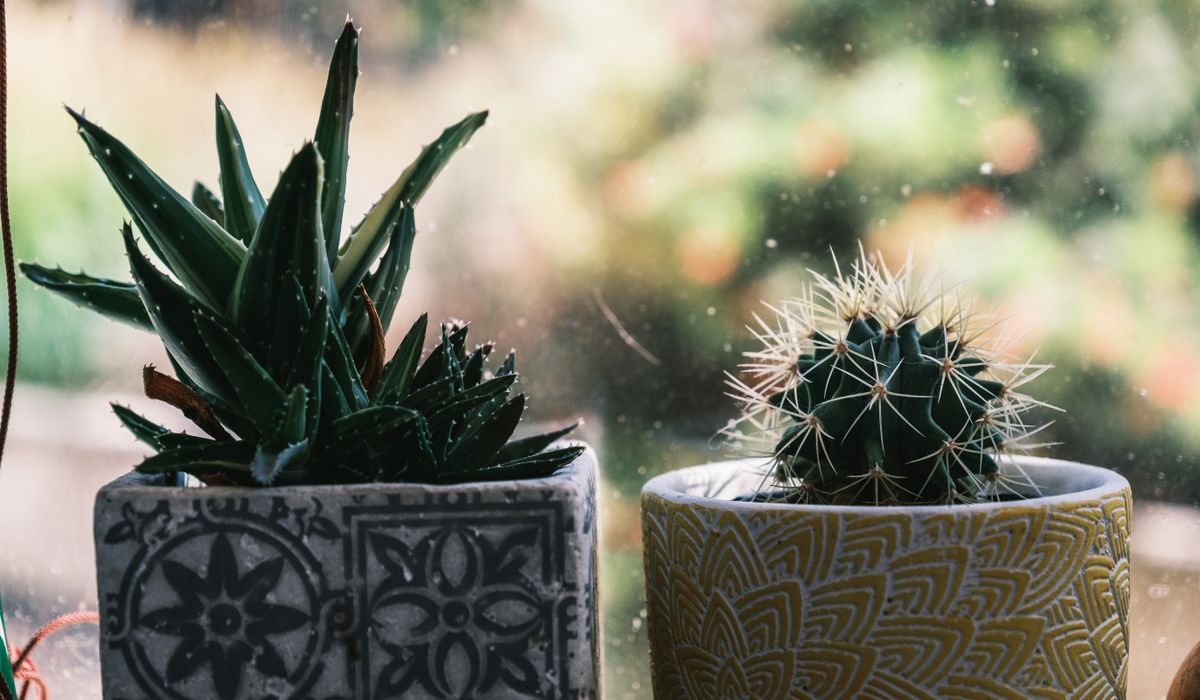
By late September, most balcony crops have done their thing. Tomatoes are down to their last few, courgettes have gone leathery, and the salad leaves you sowed in July are bolting. It is tempting to leave everything to collapse quietly over winter, but clearing spent plants now is the single best thing you can do for next year's growing space.
Empty compost from spent crops rather than leaving it in the pot. Old compost becomes compacted and depleted, and any pests or disease that built up over summer will simply sit there waiting. If the plants were healthy, you can refresh that compost with a handful of slow-release fertiliser and a scoop of homemade or shop-bought compost and reuse it for less demanding crops such as salad or herbs. If you had blight, mildew or vine weevil, bin it rather than composting it.
Give your pots a scrub with hot soapy water and a stiff brush, then rinse them well. Terracotta is porous and will hold onto salts and grime, and clean pots dry out better and look far nicer on a windowsill than a row of algae-streaked plastic.
Container growing has one big drawback in winter: roots are far more exposed than they would be in open ground. A plant in a border has the whole soil mass around it as insulation. A plant in a 10-litre pot on a windy third-floor balcony has almost nothing.
Cut back watering dramatically but do not stop altogether. Evergreen herbs and shrubs still lose moisture through their leaves, and a cold, dry compost is more damaging than a cold, damp one. Water sparingly on mild mornings rather than in the evening.
This is the part of autumn container growing that gives the biggest reward for the least effort. Bulbs planted in October and November will spend the winter building roots and then push up flowers just when you most need them.
Use fresh, peat-free compost and plant in layers so a single pot works harder. Start with the biggest bulbs at the bottom: narcissi and tulips need around 15cm of depth, so choose pots at least 25cm deep. Cover with a couple of centimetres of compost, then add a layer of smaller bulbs such as crocus, muscari or iris reticulata at around 8cm deep. Top up and water well.
Cram them in — bulbs look far better planted densely in containers than spaced out politely. A 30cm pot will comfortably hold a dozen narcissi with room for a few dozen small bulbs above them. Add a thin layer of horticultural grit on the surface to deter squirrels and keep the compost from splashing.
Leave the pots outside in a sheltered spot. If you want flowers a few weeks early, bring one pot into a cool, bright room in late January and let it come on gradually.
An empty balcony all winter is a wasted opportunity. There is a respectable list of crops that will tick over happily in containers through the colder months, especially in milder parts of the UK.
If you have a cloche, a cold frame or even a clear plastic storage box with the lid propped open for ventilation, use it. Just remember to open it on mild days so the plants do not cook or rot.
Before you close the door on the season, put something back. Spread a couple of centimetres of well-rotted compost or worm castings over the surface of any pots holding perennials or overwintering crops. It will slowly work its way down and feed the soil life that does the real work.
Consider sowing a green manure in larger containers that would otherwise sit bare. Field beans or grazing rye sown in autumn can be cut down in spring and mixed into the compost, adding organic matter that bagged compost sorely lacks.
Finally, take ten minutes to write down what worked. Which tomato variety actually ripened on your north-facing balcony? Which pot was too small by August? A few notes now will save you a lot of guesswork next spring, and that quiet bit of planning is really what autumn is for.

The Garden Ledge An honest, everyday look at the things that make life a little better — with advice you can actually use.

The Garden Ledge An honest, everyday look at the things that make life a little better — with advice you can actually use.

Simple setups such as wicking systems, grouped pots and temporary shade can keep plants alive during a short summer break.

Comments
ALina Kelian
19th May 2018 ReplyThe Garden Ledge No rushing, no fuss — just thoughtful notes and practical help, written by people who care. ullamco laboris nisi ut aliquip ex ea commodo consequat.
Rlex Kelian
19th May 2018 ReplyThe Garden Ledge Written for people who value the details, and want honest guidance they can trust. ullamco laboris nisi ut aliquip commodo.
Roboto Alex
21th May 2018 ReplyThe Garden Ledge Real stories, useful guides and the occasional recommendation, all in one calm corner of the web. ullamco laboris nisi ut aliquip ex ea commodo consequat.