

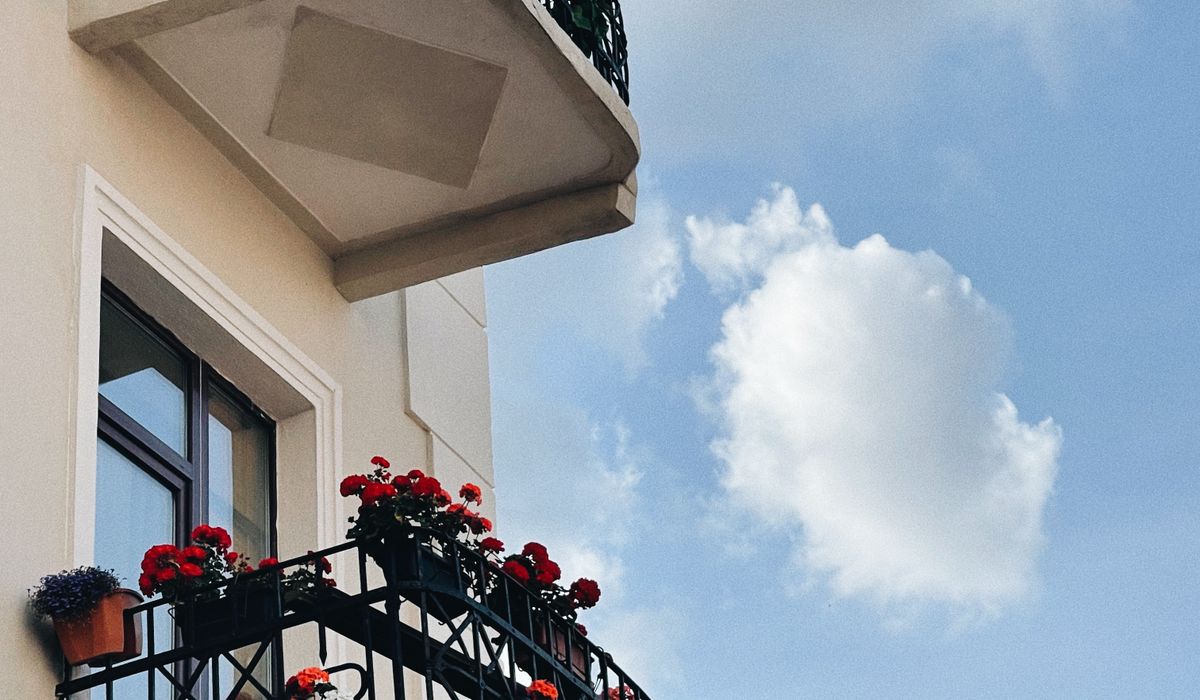
If you have grown vegetables in the ground, the first thing to accept about a balcony is that you are not really gardening in soil at all. You are gardening in a container, and that container is a tiny, sealed world. It holds perhaps twenty litres where a border holds a thousand, and every drop of water that enters it has to either be used by a plant or leave through the drainage holes.
That single fact explains almost every compost problem balcony growers run into. A mix that is too heavy sits wet after a downpour, roots rot, and your tomatoes sulk for a fortnight. A mix that is too light drains beautifully in June and then dries out so fast in a July heatwave that you are watering twice a day just to keep a courgette upright. The goal is a middle ground: open enough to shed excess water quickly, rich and spongy enough to hold a useful reserve between waterings.
A reliable container mix has three jobs to do, and it helps to think of it as three ingredients rather than one bag from the garden centre.
A peat-free multi-purpose compost is a perfectly good starting point, but straight from the bag it is usually too fine and too prone to compaction for a full season in a pot. It slumps, the air disappears, and by August you are watering a solid block of wet fibre. You need to open it up.
For most balcony vegetables, this blend works well. Measure by volume, not weight, and don't worry about being precise to the last handful.
To that base, add a slow-release general fertiliser at the rate on the packet, plus a small handful of rock dust or calcified seaweed if you have it. For tomatoes, chillies, aubergines and peppers, stir in a couple of extra handfuls of garden compost and plan to feed with a high-potash liquid from the moment the first flowers set.
Drainage is not just about the mix — it is about the whole pot. Always choose containers with generous drainage holes, and cover them with a single crock or a piece of broken slate rather than a thick layer of gravel. A gravel sump actually raises the water table inside the pot and keeps the lower roots wetter, which is the opposite of what you want.
Never let pots stand in saucers of water for more than an hour or two. If you use saucers to catch runoff, empty them after watering. In a wet British summer, a balcony pot with a blocked saucer can drown a plant in a week.
On the other side of the coin, small pots dry out alarmingly fast. A thirty-centimetre pot of salad leaves can lose its entire usable moisture in a single warm afternoon. Group pots together to shade each other, mulch the surface with a centimetre of composted bark, and consider a self-watering container for thirsty crops. If you are away often, a simple wicking system or a capillary mat under the pots will save you a lot of grief.
Even the best mix runs out of steam. Slow-release granules typically last six to eight weeks in warm, moist conditions, and after that your plants rely on what you give them.
At the end of the year, don't tip spent compost straight into the bin. It still has structure and organic matter worth saving. Sieve out old roots, mix it half and half with fresh compost and a little perlite, and use it for less demanding crops such as salads or herbs. Avoid reusing it for tomatoes, which are prone to soil-borne problems.
A little tailoring goes a long way. Salad leaves, herbs and spring onions are happy in a lighter mix with extra perlite, since they resent sitting wet. Tomatoes, peppers and courgettes want the richer blend with more compost and a steadier moisture reserve. Root crops such as carrots and beetroot prefer a fine, stone-free mix with a little extra grit, as lumpy compost makes them fork.
Whatever you grow, the principle stays the same: open, honest, free-draining compost with enough organic matter to hold a drink. Get that right and your balcony will keep producing long after the first heavy autumn rain.

The Garden Ledge An honest, everyday look at the things that make life a little better — with advice you can actually use.

The Garden Ledge An honest, everyday look at the things that make life a little better — with advice you can actually use.

Basil thrives in bright light and consistent moisture, making a south-facing windowsill ideal for regular cutting and fresh leaves.

Comments
ALina Kelian
19th May 2018 ReplyThe Garden Ledge No rushing, no fuss — just thoughtful notes and practical help, written by people who care. ullamco laboris nisi ut aliquip ex ea commodo consequat.
Rlex Kelian
19th May 2018 ReplyThe Garden Ledge Written for people who value the details, and want honest guidance they can trust. ullamco laboris nisi ut aliquip commodo.
Roboto Alex
21th May 2018 ReplyThe Garden Ledge Real stories, useful guides and the occasional recommendation, all in one calm corner of the web. ullamco laboris nisi ut aliquip ex ea commodo consequat.