

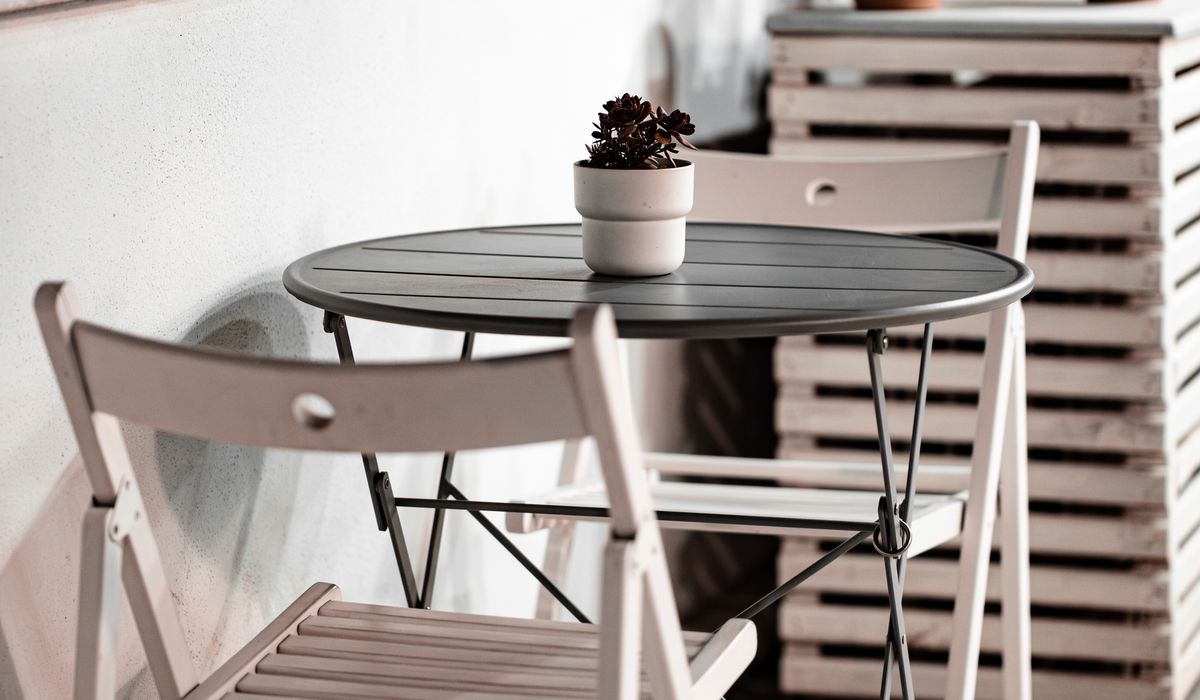
A paved patio can feel hard and hot at the end of a working day, but scent is the quickest way to soften it. A few well-chosen fragrant plants will turn a modest rectangle of slabs into somewhere you genuinely want to sit with a mug of tea and the paper, or a glass of something cold as the light goes. The trick is to match plants to your patio's conditions, group them near where you sit, and let fragrance do the decorating.
Before you buy anything, spend a week watching your patio. Which end catches the morning sun, and which holds the last of the evening warmth? South and west-facing corners are the honeypots — they suit lavender, rosemary and sun-loving climbers. North and east-facing patios are cooler and shadier, and there shade-tolerant scent such as sweet box and tobacco plants will do far better than a sun-baked herb.
Wind matters just as much. Patios tucked between walls and fences often funnel gusts, which dries compost, snaps stems and carries scent away before you notice it. A slatted screen, or a trellis with a climber growing through it, breaks that flow without blocking light.
One thing to work with rather than against is the paving itself. Brick and stone soak up heat during the day and release it slowly in the evening, which is exactly what fragrant plants want — warmth and still air carry scent much further after dusk.
Vertical plants give you the most scent per square metre of floor space. Four reliable choices for a British patio:
Plant climbers 30–40cm out from the wall, leaning the stems back towards it so the roots catch the rain. Water properly for their first two summers, and tie stems in with soft twine rather than wire, which cuts into bark.
Herbs earn their place on a patio because you brush past them, releasing scent without trying. Rosemary, thyme, sage, oregano and lavender are all happy in containers, and a lavender such as 'Hidcote' or 'Munstead' will perfume a whole corner on a warm afternoon.
Use a loam-based compost with a handful of grit mixed through, and raise pots to seat height on a low wall, a bench or an upturned crate so you can run your hand over the leaves as you sit down. Top the compost with gravel: it keeps stems dry, warms the roots and stops rain splashing soil onto the paving.
Grow mint in its own pot — it runs. Scented pelargoniums with lemon, rose or peppermint leaves are worth space too, though they need bringing indoors before the first frost.
Some of the best patio plants are almost plain by day and extraordinary after dark, which suits anyone who mostly uses the garden in the evening.
Place these a metre or two from your seat rather than right underneath it. Scent needs a little air to travel, and a plant you can smell from across the patio is working harder than one pressed against your nose.
Swapping a few pots through the seasons is far easier than trying to cram everything in at once. Two or three pots held back in a corner can be brought forward as others fade, so the patio always has something worth leaning in to smell.
Decide where you actually want to sit before you arrange anything else, then work outwards from that spot. Shelter from wind and a share of late sun matter more than a perfect view.
Keep a clear path of around 60cm through the pots so the space doesn't feel cramped, and cluster containers together rather than spacing them out — grouped pots shade each other's compost and halve your watering. Mulch the tops with gravel, water in the early morning or evening rather than at midday, and fit self-watering reservoirs if you're away often. If you're on a meter, a water butt linked to a gutter downpipe pays for itself quickly.
For lighting, low warm solar lanterns or a couple of candles in storm holders beat a bright security light every time; harsh light flattens the atmosphere you've just spent the summer building. A light spray of water over warm paving late in the afternoon raises humidity and lifts scent, but it makes stone slippery, so keep it to a small area you won't be walking across.
Start with three plants — a climber, a herb and something that scents the evening — and add a little more each year. Patios reward patience, and the scent will be better for it.

The Garden Ledge An honest, everyday look at the things that make life a little better — with advice you can actually use.

The Garden Ledge An honest, everyday look at the things that make life a little better — with advice you can actually use.

Mint spreads aggressively through roots, so growing it in its own pot prevents it from taking over nearby herbs and vegetables.

Comments
ALina Kelian
19th May 2018 ReplyThe Garden Ledge No rushing, no fuss — just thoughtful notes and practical help, written by people who care. ullamco laboris nisi ut aliquip ex ea commodo consequat.
Rlex Kelian
19th May 2018 ReplyThe Garden Ledge Written for people who value the details, and want honest guidance they can trust. ullamco laboris nisi ut aliquip commodo.
Roboto Alex
21th May 2018 ReplyThe Garden Ledge Real stories, useful guides and the occasional recommendation, all in one calm corner of the web. ullamco laboris nisi ut aliquip ex ea commodo consequat.