

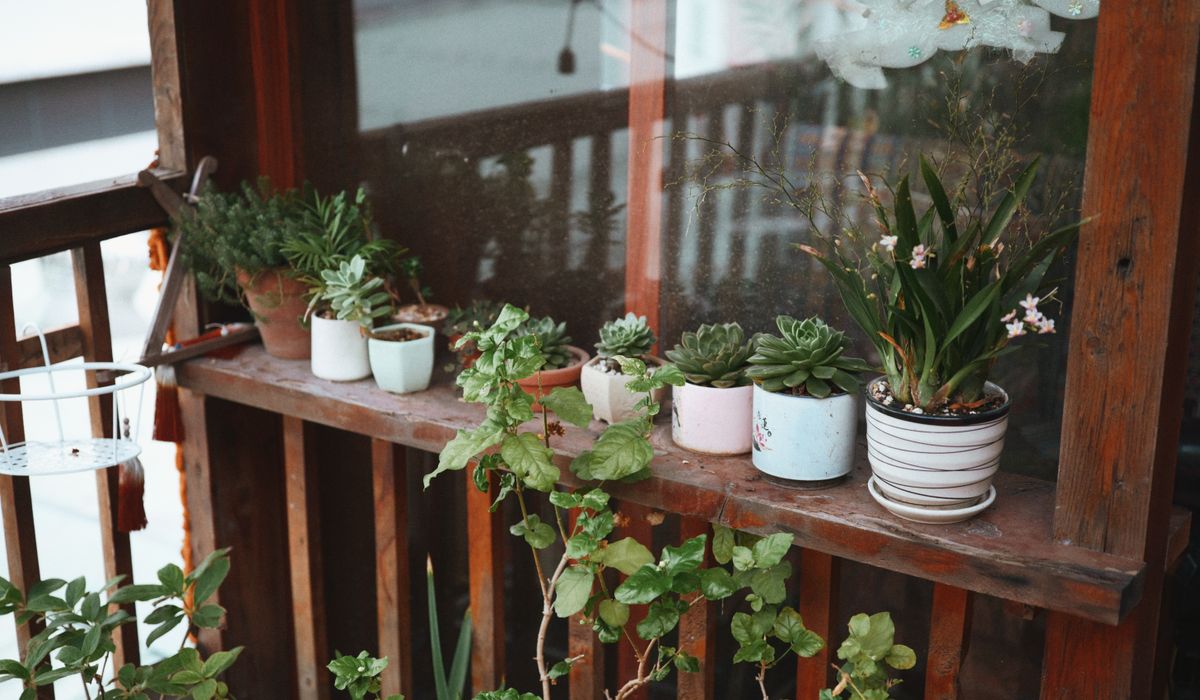
Microgreens are the seedling stage of vegetables and herbs, harvested just after the first pair of true leaves appears. Because you eat them at roughly 5–10cm tall, they need almost no root space and very little soil. A tray measuring 20cm by 15cm and just 4cm deep will happily produce a couple of generous handfuls of leaves, which is easily enough to lift a sandwich, finish a soup or bulk out a salad.
The turnaround is quick, too. Radish and mustard are ready in seven to ten days, pea shoots in eight to twelve. That speed matters if you rent, if you are unsure how much light a flat gets, or if you simply want to see results before your enthusiasm fades. There is no digging, no permanent planting and nothing to fix to a wall, so nothing for a landlord to object to.
Before you buy a single seed, spend a day noticing how light moves across your window. Microgreens want bright, indirect light for most of the day. A south-facing sill is the jackpot, though in midsummer it can get fierce and you may need to move trays back from the glass by 20–30cm to stop leaves scorching. West and east sills work well. North-facing sills are the tricky ones: cress, pea shoots and mustard will manage, but they will grow slower and stretch towards the glass, so rotate trays daily.
You do not need a dedicated growing set-up. Reused containers are ideal, provided you add drainage holes. A clean mushroom tray, a foil tray pricked with a skewer, a plastic punnet from the greengrocer or a shallow takeaway container will all do the job. Set each one on a saucer or a plate to catch drips.
For the growing medium, a peat-free multipurpose compost sieved to remove lumps works beautifully. Fill to about 3cm, firm it gently and level the surface. Coir is a lighter alternative and holds water well. For cress alone you can simply use damp kitchen paper, though compost gives you sturdier stems and a little more nutrition.
You will also want a misting bottle, a small pair of scissors, and something opaque — a plate, a tea towel or an upturned tray — to cover seeds during germination.
Not every seed makes a good windowsill microgreen. You want varieties with cheap, plentiful seed and quick, reliable growth.
Always buy seed sold for sprouting or microgreens rather than seed treated for sowing outdoors. One packet goes a very long way; a single 100g bag of radish seed will keep you in salads for months.
Sow more thickly than you would for full-sized vegetables, but not so thickly that seeds sit on top of one another — overcrowding is the main cause of mould. As a rough guide, scatter a level teaspoon of radish seed over a 20cm by 15cm tray, or two tablespoons of pea seed.
Mist the surface, cover the tray with your opaque lid and leave it somewhere warm and dark at around 18–22°C for two to three days. This dark period triggers the stems to lengthen and keeps the crop from drying out. Check daily and mist if the compost looks dry.
Once the seedlings have pushed the cover up, remove it and move the tray to the light. From here, water from below by standing the tray in a shallow saucer of water for a few minutes, then emptying whatever is left. Wet leaves encourage mould, so keep the foliage dry and give the tray a quarter turn each morning.
Harvest when the stems are sturdy and the first true leaves have opened but before the plants begin to look leggy and pale. Take a clean pair of scissors and cut about 1cm above the compost line, working across the tray rather than snipping at random. Rinse the cut greens in cold water, spin or pat them dry, and use them within a day or two — home-grown microgreens are far more perishable than shop-bought ones.
Pea shoots and sunflower will sometimes give you a second, smaller cut if you leave the growing points intact. Everything else goes on the compost heap, roots and all. To keep a supply coming, sow a fresh tray every four or five days rather than one big tray at a time, and you will have a continuous harvest from a sill no wider than a paperback.

The Garden Ledge An honest, everyday look at the things that make life a little better — with advice you can actually use.

The Garden Ledge An honest, everyday look at the things that make life a little better — with advice you can actually use.

Fragrant climbers, herbs and evening-scented flowers can turn a modest paved area into a calm retreat after work.

Comments
ALina Kelian
19th May 2018 ReplyThe Garden Ledge No rushing, no fuss — just thoughtful notes and practical help, written by people who care. ullamco laboris nisi ut aliquip ex ea commodo consequat.
Rlex Kelian
19th May 2018 ReplyThe Garden Ledge Written for people who value the details, and want honest guidance they can trust. ullamco laboris nisi ut aliquip commodo.
Roboto Alex
21th May 2018 ReplyThe Garden Ledge Real stories, useful guides and the occasional recommendation, all in one calm corner of the web. ullamco laboris nisi ut aliquip ex ea commodo consequat.