

Choosing a pot is one of those decisions that feels simple until you're standing in a garden centre, surrounded by glazed ceramic, terracotta, plastic and everything in between. The truth is that the container you pick will shape how often you water, how well your plants root, and whether your patio or windowsill looks deliberate rather than cluttered. Get it right at the start and everything afterwards becomes easier.
The most common mistake is buying a pot that looks proportionate to a young plant. A seedling in a small pot may look neat, but roots need room to spread, and cramped roots mean stunted growth, frequent drying out and a plant that never really thrives. As a rough guide, herbs and small salad leaves are happy in a 15–20cm pot, bush tomatoes and peppers want at least 30cm, and courgettes, aubergines or dwarf fruit trees need 40cm or more.
Bigger is generally better than smaller, with one important caveat: a very large pot filled with compost that no roots have reached will stay wet for weeks, which can rot the plant just as surely as drought. If you are potting up a small plant into a big container, either choose a smaller pot for now and repot later, or fill the base with a layer of grit or gravel to improve drainage.
Waterlogged compost is the quiet killer of container plants. Whatever style of pot you fall for, check the base before you buy. If there is a single small hole, or none at all, walk away unless you are confident about drilling it yourself — and even then, ceramic and glazed pots can crack unpredictably.
Once planted, raise the pot slightly off the ground using pot feet, bricks or even old tiles. This stops the drainage hole sitting flush against a paving slab, where it will seal itself with mud and grit within a season. If a decorative pot has no holes and you love it anyway, use it as a cachepot and keep your plant in a plain nursery pot inside, lifting it out to water.
Every material behaves differently in a British climate, where a hot June afternoon can be followed by a fortnight of drizzle.
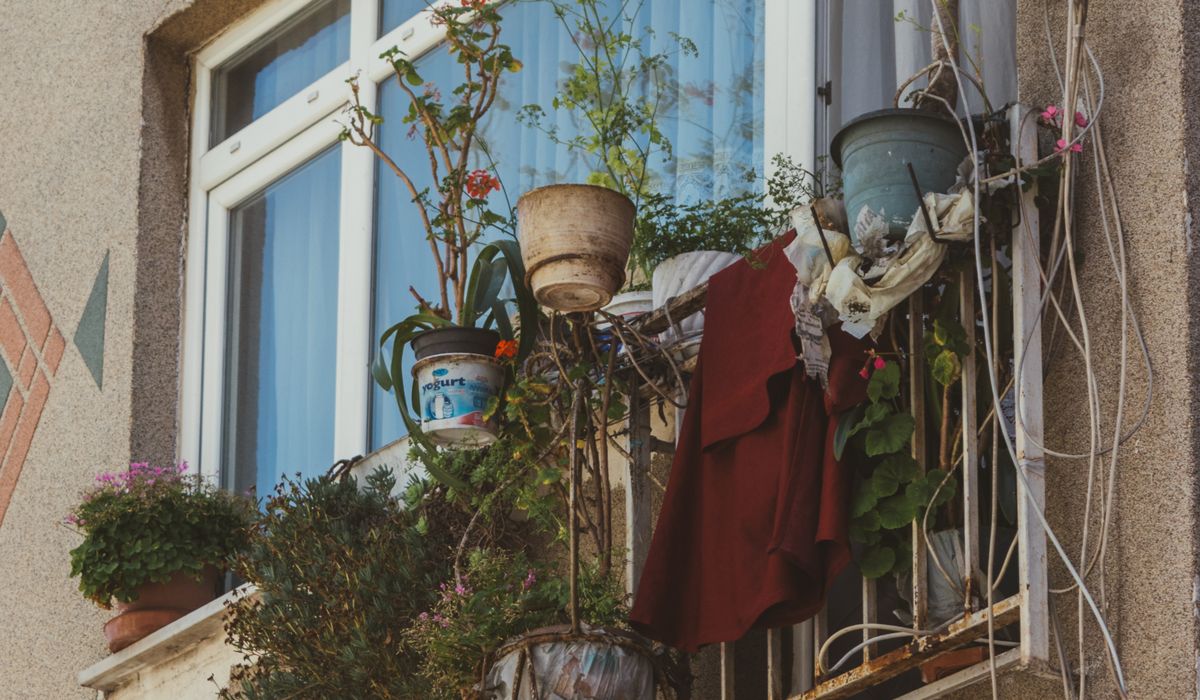
A 40cm terracotta pot filled with damp compost can weigh 30kg or more. That is fine on a patio, but on a balcony you need to consider the load-bearing limits, and on a windowsill it is simply not an option. Before you commit, decide where the pot is going and whether you will ever need to move it. If the answer is yes, choose plastic or fibreglass, or stand the pot on a wheeled saucer.
Indoors, weight matters less but light does. A pot on a north-facing windowsill will grow very different plants from one on a sunny south-facing sill, and dark pots absorb heat that can scorch roots pressed against the side. Pale colours and light materials are gentler on plants in strong sun.
The best pot for your routine is the one that fits how often you are actually willing to water. If you are out at work all day, a large plastic or glazed pot with a built-in reservoir will serve you far better than a beautiful terracotta trough that needs attention every morning.
A few practical tricks help whatever you choose. Add a layer of gravel or broken crocks at the base to keep compost out of the drainage hole. Mix in water-retaining granules or well-rotted compost to buffer against dry spells. Top the surface with a mulch of gravel or bark to slow evaporation. And group pots together so they shade one another — a simple arrangement that can cut watering by a third in high summer.
Finally, remember that a pot is a small, enclosed world. It has no subsoil to draw on, so nutrients run out within weeks. Whatever container you choose, plan to feed regularly through the growing season and to refresh the top few centimetres of compost each spring. Choose well now and the pot will quietly do half the work for you.

The Garden Ledge An honest, everyday look at the things that make life a little better — with advice you can actually use.

The Garden Ledge An honest, everyday look at the things that make life a little better — with advice you can actually use.

A free-draining mix with added organic matter keeps balcony crops productive without becoming waterlogged after heavy rain or drying out too fast.

Comments
ALina Kelian
19th May 2018 ReplyThe Garden Ledge No rushing, no fuss — just thoughtful notes and practical help, written by people who care. ullamco laboris nisi ut aliquip ex ea commodo consequat.
Rlex Kelian
19th May 2018 ReplyThe Garden Ledge Written for people who value the details, and want honest guidance they can trust. ullamco laboris nisi ut aliquip commodo.
Roboto Alex
21th May 2018 ReplyThe Garden Ledge Real stories, useful guides and the occasional recommendation, all in one calm corner of the web. ullamco laboris nisi ut aliquip ex ea commodo consequat.