

If you garden on a balcony, in a courtyard, or on a pocket-sized patch behind the kitchen, you already know the problem: you generate far more kitchen waste than you have room to compost. A traditional heap needs a cubic metre or so to heat up properly, and a plastic dalek bin can dominate a small garden. A wormery sidesteps both issues. It is a compact, sealed unit that uses tiger worms to turn vegetable peelings, tea bags and coffee grounds into two useful products: a rich liquid feed you dilute for tomatoes and courgettes, and a crumbly dark compost for potting and top-dressing.
The best part is the smell, or rather the lack of it. A wormery that is running properly smells faintly of damp woodland floor, nothing more. Because it is enclosed, it will not attract rats or foxes the way an open heap can. You can tuck one beside a shed, behind a bin store, or on a sheltered balcony, and it will quietly get on with the job all year round.
Commercial wormeries come in two basic shapes: a stack of trays, where worms migrate upwards into fresh waste, and a single deep bin with a drainage tap at the base. For small spaces, a stacked tray system is usually easier to manage because you harvest one tray at a time without disturbing the whole colony. A single bin is cheaper and simpler, but you need to be patient when separating worms from finished compost.
Size matters less than you might think. A two- or three-tray unit roughly 50cm square will handle the food waste of a typical two-person household, provided you chop things up reasonably small. Aim to site it somewhere that stays between about 10°C and 25°C. A shaded spot against a north-facing wall is ideal for summer; move it into a shed or garage for the coldest months if you can, or wrap it in an old duvet cover and bubble wrap. Worms keep working in winter, just far more slowly.
Worms need a moist, dark, aerated bed before you feed them anything. A good starting mix is a couple of handfuls of well-rotted leafmould or old compost, blended with shredded, soaked cardboard and a little garden soil. The soil brings in grit for the worms' digestion and helps buffer the acidity of kitchen scraps.
Corrugated cardboard is the secret weapon here. Tear it into strips, soak it, squeeze it out so it feels like a wrung-out sponge, and layer it through the bedding. It provides carbon to balance the nitrogen-rich peelings, keeps the whole bin from going slimy, and gives the worms somewhere to retreat when you open the lid. Aim for bedding that forms a loose ball when squeezed, but does not drip.
Add your worms last. A starter colony of around 250g of tiger worms, sometimes sold as brandling worms, is plenty for a small unit. They will multiply to fill the space available over a few months. Do not be tempted to use ordinary garden earthworms, as they will not thrive in a bin.
Worms are unfussy, but they do have limits, and the limits are mostly about smell and speed rather than nutrition. The smaller the pieces, the faster they break down, so keep a lidded caddy by the chopping board and give scraps a rough chop before they go in.
Bury each new addition under the top layer of bedding rather than leaving it on the surface. This keeps fruit flies down and discourages the small pests that occasionally wander in. If the bin starts to smell sour, you are almost certainly overfeeding. Stop adding scraps for a fortnight, fork in some dry shredded cardboard, and let the worms catch up.
Liquid feed collects at the bottom and should be drained every week or two, particularly in summer. It is strong stuff, so dilute it roughly one part to ten parts water before using it on hungry crops. Undiluted, it can scorch roots. If the tap blocks, a quick poke with a bamboo cane normally clears it.
With a tray system, finished compost is ready when it looks like dark, crumbly soil with few recognisable scraps. Move the top tray aside, let the worms migrate into fresh material for a few days, then empty the lower tray. Any stray worms can be picked out by hand and returned to the bin. Use the finished compost as a top-dressing, mixed into potting compost, or as a seed-sowing mix sieved fine.
An established wormery is one of the most productive square feet in a small garden. Feed it little and often, keep it damp and shaded, and it will repay you with feed all summer and compost you would otherwise have to buy.

The Garden Ledge An honest, everyday look at the things that make life a little better — with advice you can actually use.

The Garden Ledge An honest, everyday look at the things that make life a little better — with advice you can actually use.

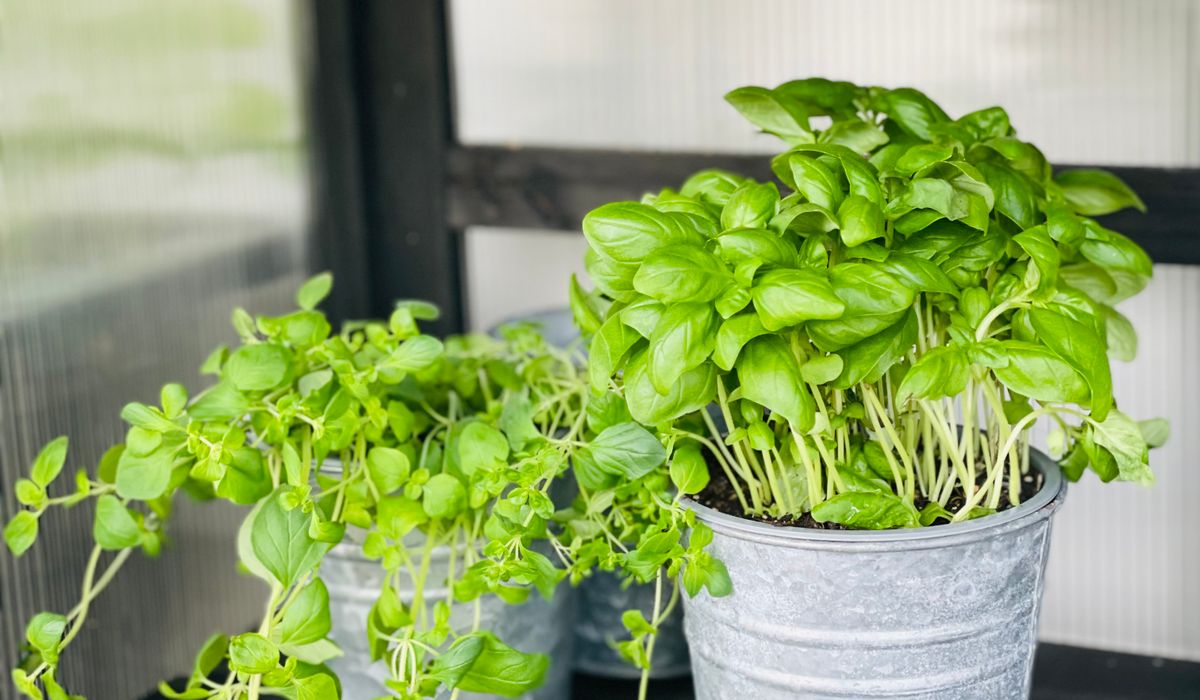
Group trailing plants at different heights to create a green display that softens walls and makes the most of vertical space.

Comments
ALina Kelian
19th May 2018 ReplyThe Garden Ledge No rushing, no fuss — just thoughtful notes and practical help, written by people who care. ullamco laboris nisi ut aliquip ex ea commodo consequat.
Rlex Kelian
19th May 2018 ReplyThe Garden Ledge Written for people who value the details, and want honest guidance they can trust. ullamco laboris nisi ut aliquip commodo.
Roboto Alex
21th May 2018 ReplyThe Garden Ledge Real stories, useful guides and the occasional recommendation, all in one calm corner of the web. ullamco laboris nisi ut aliquip ex ea commodo consequat.