

By the time the first hard frost arrives, most of the damage is already done or already prevented. Winter protection for pots is rarely about dramatic rescues; it is about a series of small, cheap interventions made in the right order, at the right time. Do them in October and early November and you will spend the rest of the winter simply checking rather than scrambling.
A plant in the ground has a vast reservoir of soil around it, kept relatively steady by the earth's mass. A plant in a pot has a small volume of compost exposed on all sides, including underneath. Roots that would never drop below freezing in a border can freeze solid in a container within a single cold night, and it is often root death, not top growth, that kills patio plants.
There is a second problem: water. Compost in a container stays wetter than surrounding soil, and wet compost freezes harder and conducts cold faster than dry. A pot that sits flat on paving also seals its drainage holes, so winter rain collects, the rootball sits in cold slop, and rot follows the freeze. Any protection plan that ignores drainage is only doing half the job.
Raising containers off the ground is the single most effective thing you can do, and it takes minutes. Air can then move underneath, water drains freely, and the base of the pot is no longer in direct contact with frozen stone or concrete.
Aim for at least 2–3cm of clearance. If you have ever lifted a pot in February and found a solid plug of ice beneath it, you already know why this matters.
Terracotta is beautiful and porous, which is precisely why it cracks. Water soaks into the clay, expands as it freezes, and splits the pot. Glazed pots are safer but not immune if water collects in a hairline crack or the drainage hole.
Wrap the outside of terracotta containers with bubble wrap, hessian, or an old blanket, securing it with twine. Leave the drainage hole clear. For smaller pots, a cylinder of bubble wrap around the sides and a disc across the compost surface, cut to fit around the stems, insulates the rootball nicely. For very cold regions, an unheated greenhouse or cold frame does the same job more tidily.
Do not wrap the crown of a plant in plastic sheeting. It traps condensation, encourages mould, and can do more harm than the cold. If you need a windbreak, use horticultural fleece, which breathes.
Group pots together against a house wall. Clustering reduces the exposed surface area of each container and creates a slightly warmer microclimate, especially on a south- or west-facing wall that holds daytime heat. Even a few degrees can be the difference between survival and loss.
Timing is everything. Move tender specimens in before the first hard frost, not after it. A tender plant that has already been frosted will not recover just because you then bring it inside.
Once plants are under cover, cut watering drastically. Most winter losses in garages and greenhouses come from overwatering in the dark months, not from cold.
Watch forecasts for clear, still nights, when temperatures plunge fastest. A sheet of fleece thrown over vulnerable pots in the early evening and removed the next morning is often all that is needed to carry a plant through a bad spell. Two or three layers of fleece are better than one thick layer, because the air trapped between them insulates.
In mild spells, water containers sparingly but do not let them dry out completely. Evergreen shrubs in pots lose moisture through their leaves all winter. Water in the morning so any surplus has drained before evening cold sets in, and never let a saucer fill with standing water.
Finally, check pots after gales. A pot that has been blown over may reveal a cracked rim or shift onto a wet surface, undoing the work you did in autumn. Ten minutes of checking every few weeks will see your containers through to spring in far better shape, ready to be replanted rather than replaced.

The Garden Ledge An honest, everyday look at the things that make life a little better — with advice you can actually use.

The Garden Ledge An honest, everyday look at the things that make life a little better — with advice you can actually use.

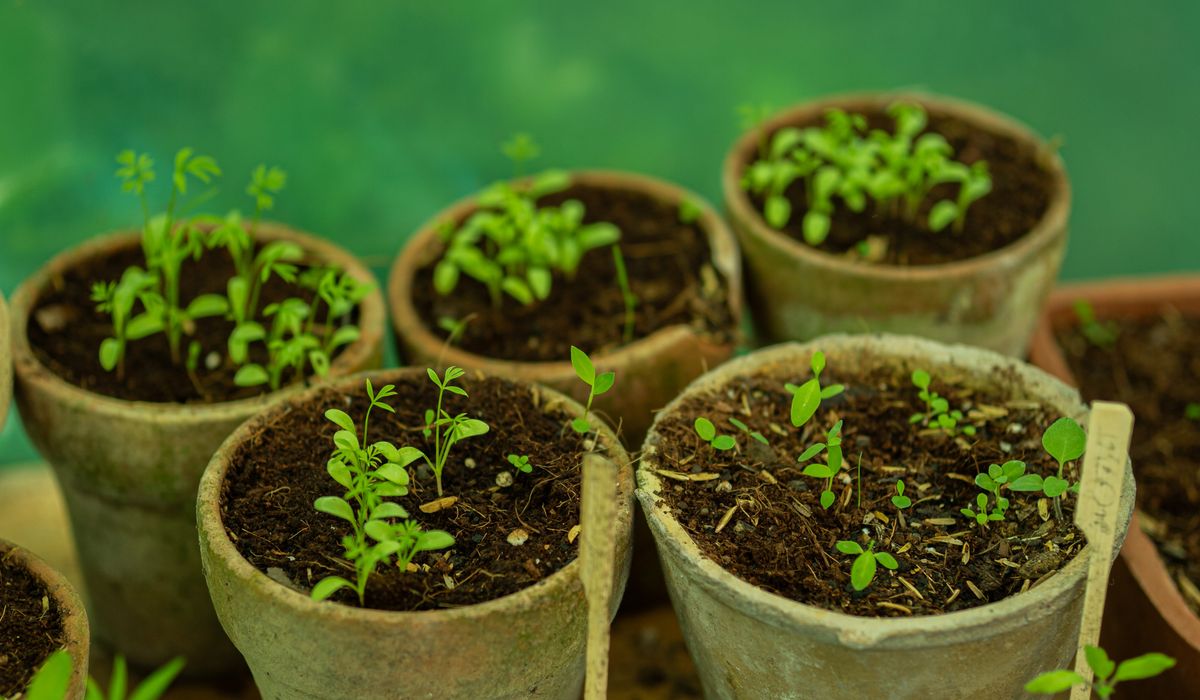
Selecting a pot that suits your plant, space and watering routine is the first step towards healthy container growth.

Comments
ALina Kelian
19th May 2018 ReplyThe Garden Ledge No rushing, no fuss — just thoughtful notes and practical help, written by people who care. ullamco laboris nisi ut aliquip ex ea commodo consequat.
Rlex Kelian
19th May 2018 ReplyThe Garden Ledge Written for people who value the details, and want honest guidance they can trust. ullamco laboris nisi ut aliquip commodo.
Roboto Alex
21th May 2018 ReplyThe Garden Ledge Real stories, useful guides and the occasional recommendation, all in one calm corner of the web. ullamco laboris nisi ut aliquip ex ea commodo consequat.